May 4, 2026
Choosing the right finish for your home involves more than just picking a favorite color from a catalog. Success depends on understanding the environment and the specific requirements of each surface. By asking the right questions, you can navigate the vast options available at local paint stores with complete confidence. Finding the perfect balance between aesthetics and durability is the hallmark of a well-executed home improvement project.
1. What Is the Primary Purpose of the Room?
The function of a space dictates the chemical makeup of the product you need. High traffic areas like hallways or kitchens require a different formulation than a guest bedroom that sees little use. When you visit paint stores, you should clarify whether the walls need to withstand frequent cleaning or if they will remain mostly untouched. Kitchens often benefit from tailored coatings that resist moisture and grease buildup over time.
Living rooms and dining areas typically allow for more decorative flexibility. In these spaces, the visual depth of the pigment takes priority over extreme durability. Choosing a finish that complements your furniture and lighting can elevate the entire atmosphere of the home. Professional outlets carry specific lines designed for these social hubs that prioritize rich color payoff. Understanding the daily life of a room prevents the frustration of choosing a beautiful shade that cannot hold up to the actual demands of your household.
The bathrooms and laundry room present unique challenges due to humidity levels. Standard products might peel or develop mildew if they lack the necessary antimicrobial properties. Experts can help identify which solutions are formulated to breathe and resist water damage. This initial assessment of room function serves as the foundation for every other decision in the procurement process.
2. How Much Natural Light Enters the Space?
Lighting changes everything about how a pigment appears once it dries on a surface. A soft gray might look like a crisp silver in a sun-drenched sunroom, but turn into a muddy charcoal in a basement with no windows. Staff at paint stores often suggest viewing samples under different lighting conditions to avoid surprises. You must consider the orientation of the windows and how the sun moves through the house during the day.
North-facing rooms tend to have a cool, bluish light that can make warm tones look flat. Conversely, south-facing rooms receive intense warmth that can make bold colors feel overwhelming. Evaluating the sun's direction helps you anticipate how shadows will fall across the walls throughout the afternoon. Checking the light source helps you decide if you need a product with higher light reflectance values. Shops provide data sheets explaining how much light a specific color will reflect into the room.
Artificial lighting also plays a massive role in the final result. LED bulbs and incandescent lamps shift the temperature of the walls significantly after the sun goes down. It is wise to bring home physical swatches to see how your lamps interact with the finish. By addressing light early, you minimize the risk of a color looking perfect in the showroom but appearing completely wrong in your actual living environment.
3. Which Sheen Level Provides the Best Balance?
Sheen refers to the glossiness of the finish and affects both the look and the longevity of the work. Flat and matte finishes hide imperfections on older walls because they do not reflect light directly. However, these low-sheen options are usually harder to wipe down without leaving marks. Reputable paint stores offer a spectrum ranging from completely flat to high-gloss variants for different applications.
Satin and eggshell are the most popular choices for general living areas because they offer a slight glow while remaining washable. These mid-range finishes provide enough protection for active homes while maintaining a sophisticated appearance. Choosing a finish with a subtle luster can add a sense of depth to the walls without highlighting every minor surface flaw. If you are coating trim or doors, you might move toward a semi-gloss or high-gloss option for maximum impact. Consult with experts to determine which level of shine fits your specific aesthetic goals.
Higher gloss levels generally result in a tougher surface film that resists stains. This makes them ideal for baseboards and window casings that suffer from kicks and vacuum cleaner bumps. Low-sheen finishes are better suited for ceilings where you want to minimize any distracting glare. Knowing the difference between these levels allows you to customize the atmosphere of every room while keeping maintenance requirements in mind.
4. What Volume of Product Is Actually Required?
Accurate measurement is the only way to avoid the headache of running out of material mid-project. You must calculate the total square footage of the walls while subtracting the area for doors and windows. According to HomeGuide, one gallon of paint covers about one coat per 400 square feet. Having this metric in mind helps you communicate effectively when you finally visit paint stores to place an order.
Remember that most professional applications require at least two coats for full opacity and true color representation. If you are changing the color from a very dark shade to a light one, you might even need a third coat or a dedicated primer. Large projects often require buying in bulk to maintain consistency across different batches. Suppliers can mix large five-gallon containers to keep the pigment identical throughout the entire job.
Waste is another factor to consider when determining the final volume. It is always smart to have a small amount left over for future touch-ups or repairs. Estimating too low leads to delays, while estimating too high results in unnecessary costs and storage issues. Working with inventory experts at paint stores helps refine these numbers based on the specific spread rate of the premium products you choose.
5. How Does the Surface Texture Affect the Application?
The condition of your walls determines how the liquid will behave once it is applied. Porous surfaces like new drywall or fresh plaster soak up material much faster than previously coated walls. If the texture is heavy, such as a knockdown or popcorn finish, the surface area actually increases significantly. You should mention these details when talking to consultants, so they can recommend the right viscosity.
Smooth surfaces allow for a very even spread and show off the quality of the pigment. However, smooth walls also reveal every minor bump or crack, requiring a more careful selection of sheen. Textured walls are much more forgiving but require more physical product to fill in the nooks and crevices. Professionals can explain how different formulas interact with various substrates like wood, masonry, or gypsum.
Preparation is the secret to a professional finish, even if you are not doing the labor yourself. Understanding if the surface needs a transition coating or a high-build primer is part of the decision process. Using the wrong product on a specific texture can lead to flaking or uneven drying. Always verify the compatibility of the solution with the existing wall conditions with paint stores beforehand.
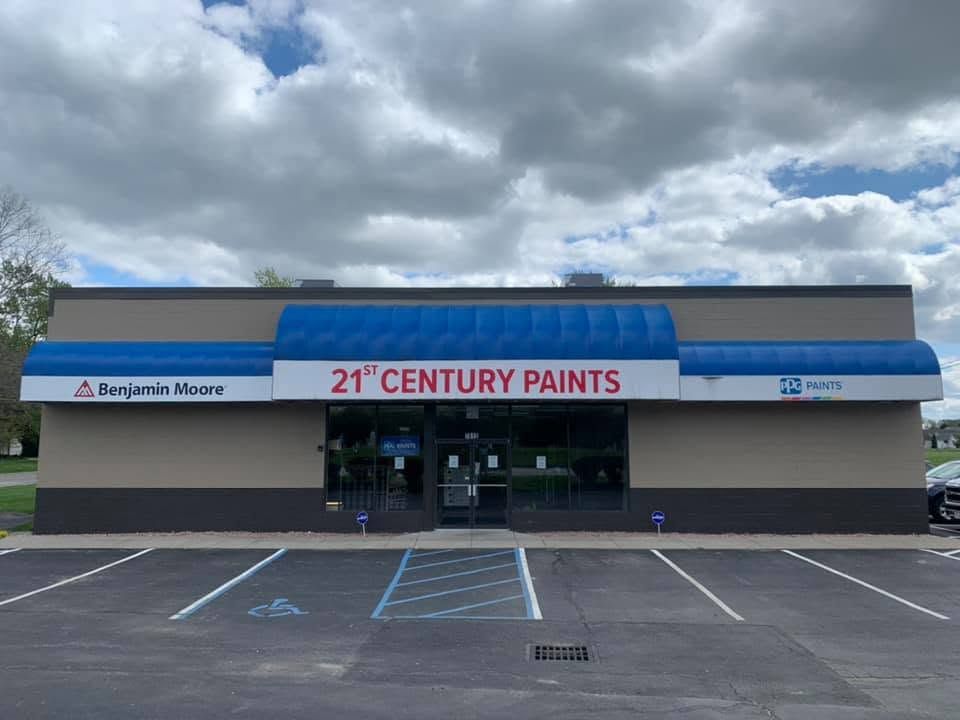
Picking out the right products is a deliberate process that requires attention to detail and a clear understanding of your goals. By addressing these five questions, you navigate the complexities of home improvement with ease. Making informed choices will help your final results remain beautiful and functional for many years to come. Contact the professionals at 21st Century Paints Inc today to find the perfect coatings and tailored solutions for your next residential or commercial project.