September 9, 2026
Choosing paint involves more than selecting a color that looks appealing on a sample card. The right combination of color, sheen, and finish can influence how a room feels, how surfaces appear, and how well painted areas hold up to everyday use. Lighting, room size, existing furnishings, and the condition of the surfaces can all affect the final appearance. Working with professionals at a paint store can give homeowners and property managers access to product knowledge that makes these decisions more informed.
Paint selection also involves understanding how different products perform in different environments. Interior walls, ceilings, trim, cabinets, exterior surfaces, and high-traffic areas can each have different requirements. The wrong finish may highlight imperfections or fail to provide the durability a particular space needs. With professional guidance, property owners can compare options based on both appearance and practical performance.
Evaluating Room Colors
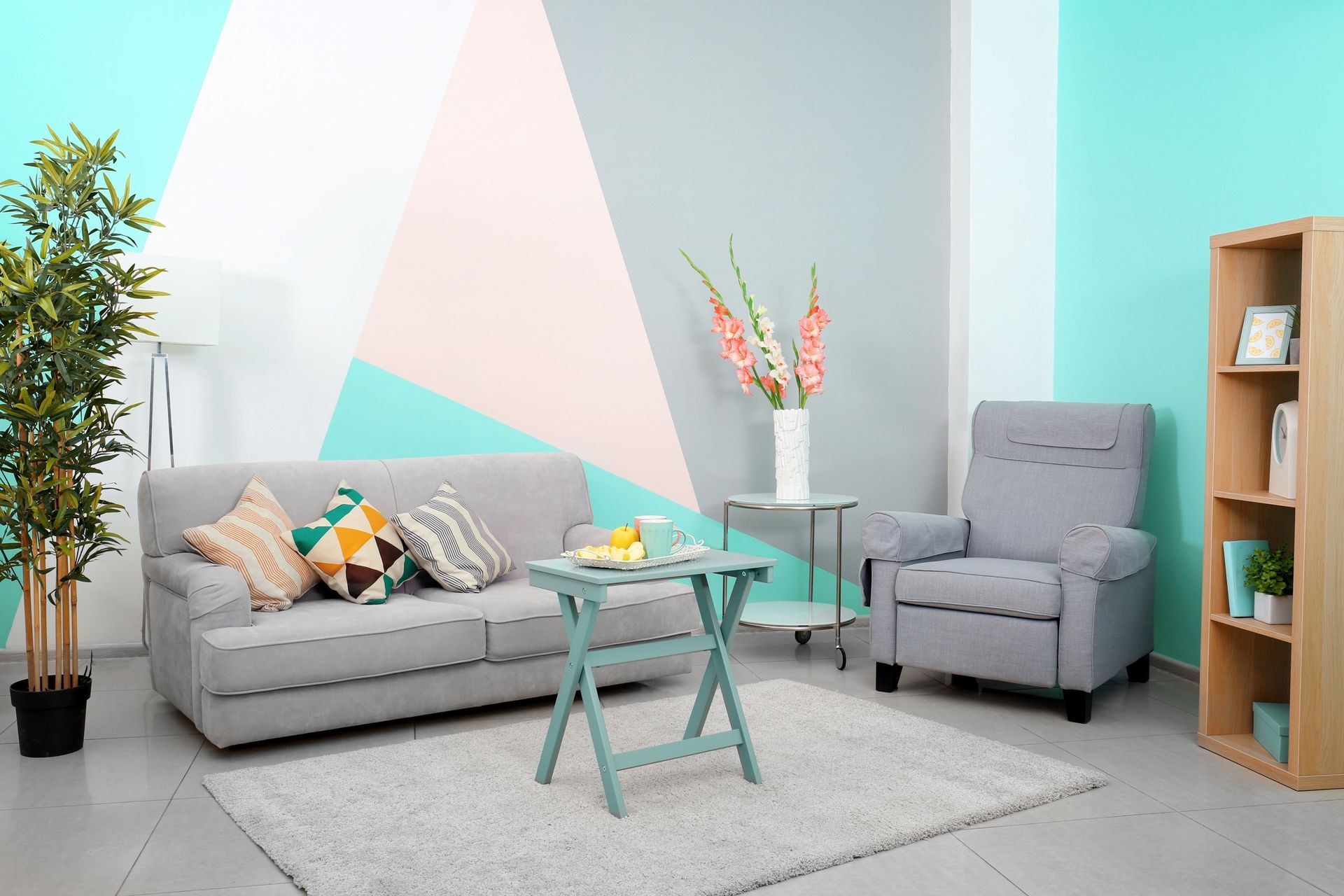
Color establishes much of a room's visual character. Warm shades can create a welcoming atmosphere, while cooler tones may produce a calmer or more open feeling. Neutral colors can provide flexibility with furniture and décor, while stronger colors can create focal points or emphasize architectural features. Choosing among these possibilities requires consideration of how the color will interact with the rest of the space.
A paint store can provide color samples and product information that help customers evaluate different options. Professionals can discuss how colors may appear under different lighting conditions and how certain shades work with existing design elements. This guidance can be especially useful when a color needs to coordinate with flooring, cabinetry, countertops, or furnishings. Considering the complete room rather than one color sample can lead to a more cohesive result.
Considering Natural And Artificial Light
Lighting can significantly change how paint colors appear throughout the day. Natural sunlight may make certain colors appear brighter, while artificial lighting can alter undertones and perceived intensity. A shade that looks balanced in one room may appear noticeably different in another because of window placement, bulb type, or surrounding finishes. Understanding these differences is important when narrowing down color choices.
Professionals at a paint store can explain how lighting conditions may influence the appearance of particular shades. They can help customers compare colors while considering whether a space receives strong daylight, limited natural light, or primarily artificial illumination. This type of evaluation can prevent unexpected differences between a sample and the finished room. Lighting should therefore be considered alongside color rather than after the selection has already been made.
Selecting Appropriate Paint Finishes
Paint finish affects both appearance and performance. Matte and flat finishes generally provide a low-reflective appearance, while eggshell and satin finishes offer varying degrees of sheen. Semi-gloss and gloss products typically create more reflective surfaces and may be selected for areas where durability and cleanability are important. The appropriate finish depends on the surface, room, desired appearance, and expected level of use.
A paint store can help customers compare finish options based on the needs of each area. A finish that works well on a bedroom wall may not be the most suitable choice for trim or a frequently used hallway. Professionals can explain the differences between available products and help match the finish to the intended application. This approach helps balance visual preferences with functional requirements.
Matching Finishes To Room Functions
Every room experiences different levels of activity and exposure. Kitchens may encounter moisture, cooking residue, and frequent cleaning, while hallways and entryways can experience repeated contact. Bedrooms and formal spaces may have different durability requirements than bathrooms or utility areas. Matching the paint finish to the room's function can help create a more practical result.
A paint store can provide product recommendations based on the conditions a particular space experiences. Professionals may consider traffic levels, moisture exposure, cleaning requirements, and the desired appearance when discussing finishes. This makes it easier to select products that align with how each room is actually used. Functional considerations can be just as important as color when planning a painting project.
Coordinating Interior Color Schemes
Using multiple colors throughout a home requires coordination. Different shades can create visual separation between rooms while still contributing to an overall design. Colors that share undertones or complementary characteristics can help spaces transition naturally from one area to another. Without coordination, individual rooms may look disconnected even when each color is attractive on its own.
A paint store can help homeowners compare colors and develop combinations that work across adjacent spaces. Professionals can discuss relationships between neutral shades, accent colors, trim colors, and ceiling finishes. This guidance can help create a consistent visual flow without requiring every room to use the same paint color. Thoughtful coordination can make a home feel more intentional and unified.
Choosing Exterior Paint Products
Exterior painting presents different considerations because surfaces are exposed to changing weather conditions. Sunlight, rain, humidity, temperature fluctuations, and other environmental factors can affect painted surfaces over time. Exterior products are formulated for these conditions and may differ from interior paints in important ways. Selecting the appropriate product is therefore an important part of exterior color planning.
A paint store can help customers identify products intended for specific exterior surfaces and conditions. Professionals can discuss options for siding, trim, doors, and other exterior elements while considering the desired appearance. They can also explain differences among product types and finishes. This information helps property owners select exterior paint based on both aesthetics and environmental demands.
Understanding Surface-Specific Products
Different surfaces can require different types of paint or preparation products. Wood, metal, drywall, masonry, cabinetry, and previously painted surfaces can have distinct characteristics that influence product selection. Using a product designed for the specific surface can support adhesion and overall performance. Surface condition also matters when determining which products may be appropriate.
Professionals at a paint store can help customers identify products suited to the surfaces involved in their projects. They can discuss primers, coatings, finishes, and other materials based on the characteristics of the area being painted. This can reduce confusion when multiple products appear similar but serve different purposes. Matching products to surfaces supports a more deliberate approach to paint selection.
Recognizing Industry-Wide Paint Demand
Paint remains one of the most widely used materials for improving and maintaining residential and commercial properties. According to Workyard, more than 1.4 billion gallons of paint are used annually across the United States. This substantial volume reflects the ongoing role paint plays in construction, renovation, maintenance, and property improvements. With so many products available, professional guidance can help customers make selections suited to their particular projects.
Understanding the variety of available paints and finishes is increasingly important as product options continue to expand. Homeowners and property managers may encounter coatings designed for specific surfaces, environments, performance requirements, and aesthetic preferences. A knowledgeable professional can help narrow these options based on the intended application. This can make the selection process more efficient while keeping the focus on the property's actual needs.
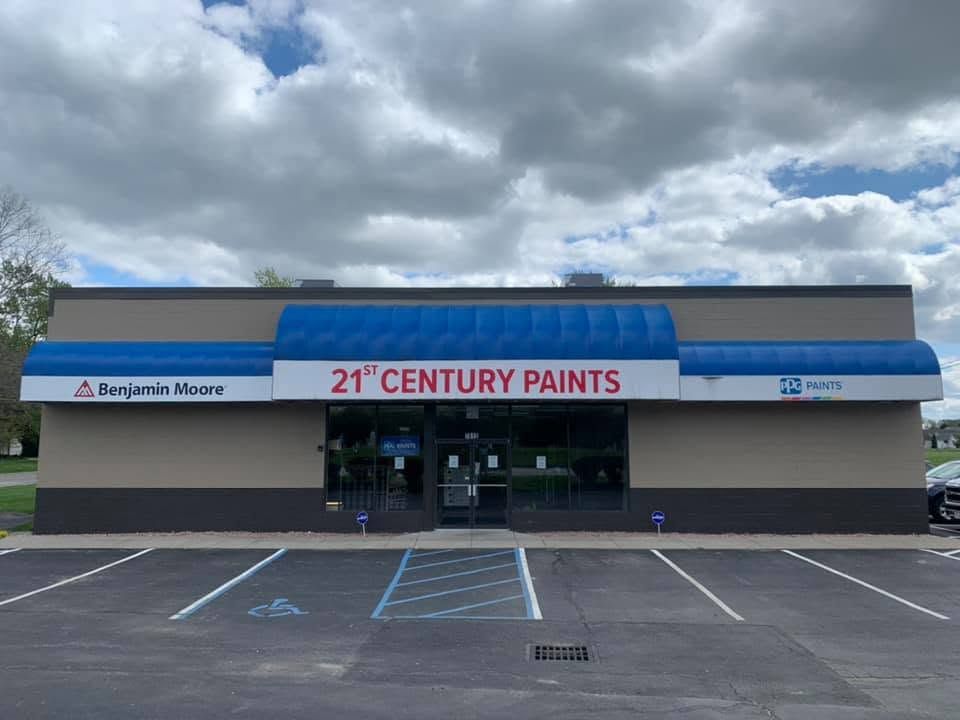
At 21st Century Paints Inc, we help customers select paints, colors, and finishes suited to their specific projects. Our team can provide product guidance and help you compare options based on the surfaces, spaces, and results you have in mind. We focus on helping customers make informed selections that combine the appearance they want with the performance their project requires. Contact 21st Century Paints Inc today to discuss your painting needs and explore the right products for your next project.