October 31, 2026
Concrete floors are widely used in garages, basements, warehouses, and commercial facilities because of their strength and durability. However, years of exposure to heavy traffic, moisture, chemicals, and everyday wear can leave these surfaces stained, cracked, or covered with deteriorating paint. When considering flooring improvements, property owners often wonder whether these existing conditions prevent them from installing a protective coating.
Fortunately, an epoxy floor coating can often be applied to older concrete surfaces, provided the underlying material is suitable and properly prepared. While epoxy offers durability and an attractive finish, successful installation depends on the condition of the existing floor.
Can Epoxy Be Applied Over Old Concrete?
Older concrete can often support epoxy applications when the underlying surface remains structurally sound. Although concrete is known for its durability, prolonged exposure to vehicles, equipment, temperature changes, and moisture can gradually affect its condition. Surface discoloration and minor imperfections do not necessarily prevent coating installation, but significant deterioration may require professional attention.
Before recommending an epoxy floor coating, flooring specialists evaluate the concrete’s overall condition. This assessment helps identify weakened areas, existing damage, contamination, and other factors that could interfere with adhesion. Concrete that appears relatively smooth may still contain underlying problems that affect coating performance.
The age of the concrete is generally less important than its current condition. A well-maintained older floor may provide a suitable foundation, while a newer surface with moisture problems or structural defects could require additional preparation.
Can Epoxy Be Applied Over Stained Concrete?
Staining is particularly common in garages, workshops, and commercial environments where concrete regularly encounters automotive fluids, grease, cleaning products, and other substances. These materials can leave visible discoloration that becomes increasingly difficult to remove over time.
Although stained concrete may still be suitable for an epoxy floor coating, the type and severity of contamination significantly influence the installation process. Some stains are primarily cosmetic, while others indicate that oils or chemicals have penetrated the concrete’s porous structure.
Embedded contaminants can interfere with epoxy adhesion by preventing the coating from bonding properly with the underlying surface. Even when visible staining appears minimal, residual substances may remain within the concrete and compromise the finished floor.
Professional flooring specialists evaluate these conditions to determine whether appropriate preparation can address the contamination. Depending on the substances involved, certain areas may require specialized treatment before coating installation.
Can Epoxy Be Applied Over Existing Paint?
Previously painted concrete presents additional considerations because the existing paint creates a separate layer between the new coating and the concrete. Whether epoxy can be applied successfully depends on the condition, composition, and adhesion of that existing material.
Paint that is peeling, bubbling, cracking, or separating from the concrete generally provides an unreliable foundation. Applying epoxy over deteriorating paint can result in premature failure because the new coating may separate alongside the underlying material.
Even paint that appears intact may not be compatible with the proposed epoxy floor coating. Certain finishes contain ingredients or surface treatments that prevent proper bonding. Additionally, previously painted floors may have accumulated contaminants that are difficult to identify through visual inspection alone.
Professional flooring contractors evaluate existing paint to determine whether it can remain in place or should be removed. Their recommendations depend on the coating system being considered and the condition of the underlying concrete.
Removing incompatible or unstable paint may provide a more dependable foundation for the new finish. However, compatible coatings that remain firmly bonded may be suitable for recoating under appropriate conditions.
Can Epoxy Be Applied Over Cracked Concrete?
Cracks are common in concrete floors, particularly in areas exposed to temperature fluctuations, heavy loads, or structural movement. While some cracks are relatively minor, others may indicate underlying conditions that require further investigation.
An epoxy floor coating can enhance the appearance of concrete that has undergone appropriate repairs, but it cannot independently correct structural instability. Cracks caused by ongoing movement may continue developing beneath the finished surface, potentially affecting the coating’s appearance and durability.
Professional flooring specialists assess the location, severity, and possible causes of existing cracks. Stable surface imperfections may be suitable for repair, while more substantial damage could require additional corrective measures.
Other forms of deterioration, including pitting, spalling, and loose concrete, can also influence installation. These conditions may create uneven surfaces or weak areas that prevent reliable adhesion.
Addressing damaged concrete before coating installation helps establish a more consistent foundation. It also allows property owners to distinguish between cosmetic improvements and repairs necessary for maintaining the floor’s structural integrity.
Ultimately, epoxy performs best when the underlying concrete is stable enough to support the finished flooring system.
Can Epoxy Be Applied Over Moisture-Affected Concrete?
Moisture is among the most important considerations when evaluating concrete for epoxy applications. Because concrete is porous, moisture can move through the material even when the surface appears completely dry.
Excessive moisture may interfere with coating adhesion and contribute to bubbling, blistering, discoloration, or separation. These concerns are particularly relevant in basements, ground-level slabs, and areas with drainage problems.
Before installing an epoxy floor coating, professionals may evaluate moisture conditions to determine whether the concrete meets the selected product’s requirements. Depending on the findings, additional preparation, moisture-control measures, or alternative flooring solutions may be recommended.
Environmental factors also influence coating performance. Humidity, temperature, ventilation, and previous water exposure can affect installation conditions and the finished surface.
Property owners should understand that a dry-looking floor does not necessarily indicate that moisture-related concerns are absent. Professional assessment helps identify potential complications before they affect the flooring investment.
Addressing moisture conditions is especially important when long-term durability is a priority. Proper evaluation allows flooring specialists to recommend solutions that accommodate the property’s environment and intended use.
Can Epoxy Be Applied for Long-Term Protection?
Beyond improving appearance, epoxy flooring can provide practical benefits for residential and commercial spaces. Its protective surface helps resist everyday abrasion, spills, and routine traffic when the appropriate system is selected and installed correctly.
Garages may benefit from coatings designed to accommodate vehicle traffic and automotive substances. Warehouses and commercial facilities often require flooring capable of handling equipment movement, frequent cleaning, and demanding operating conditions.
Interest in these applications continues to support the flooring industry. The global market for epoxy floor coatings carried an estimated value of $2.43 billion in 2025, according to Verified Market Research.
However, selecting an epoxy floor coating involves more than choosing an attractive finish. The intended environment, expected traffic, potential chemical exposure, and maintenance requirements should influence the decision.
Different coating systems offer varying performance characteristics, making professional product selection particularly valuable. A finish appropriate for a residential garage may not provide the same performance in an industrial environment.
Although epoxy can provide dependable protection, its longevity depends on proper surface preparation, compatible materials, and suitable installation conditions. Understanding these considerations helps property owners choose flooring solutions that support their long-term needs.
Can Epoxy Be Applied With Professional Assistance?
Professional flooring services can help property owners determine whether their existing concrete is suitable for epoxy applications. Aging surfaces, embedded stains, deteriorating paint, and moisture concerns require different approaches, making careful evaluation essential.
Experienced specialists assess the underlying material and identify conditions that could compromise adhesion. They can also explain whether repairs, coating removal, or additional preparation may be necessary before installation.
Professional guidance is particularly valuable when selecting an epoxy floor coating for a specific environment. Product compatibility, expected traffic, maintenance considerations, and desired appearance all influence which flooring system may be appropriate.
Rather than assuming every concrete floor requires the same treatment, professionals consider the characteristics of each property. This individualized approach helps establish realistic expectations and supports better long-term results.
Old concrete, stains, and existing paint do not automatically prevent epoxy installation. However, successful results depend on the condition of the underlying surface, the presence of contaminants, moisture exposure, and compatibility with existing materials.
Professional evaluation helps determine whether a concrete floor is suitable for coating or requires additional attention. Addressing potential problems before installation can improve adhesion, appearance, and overall durability.
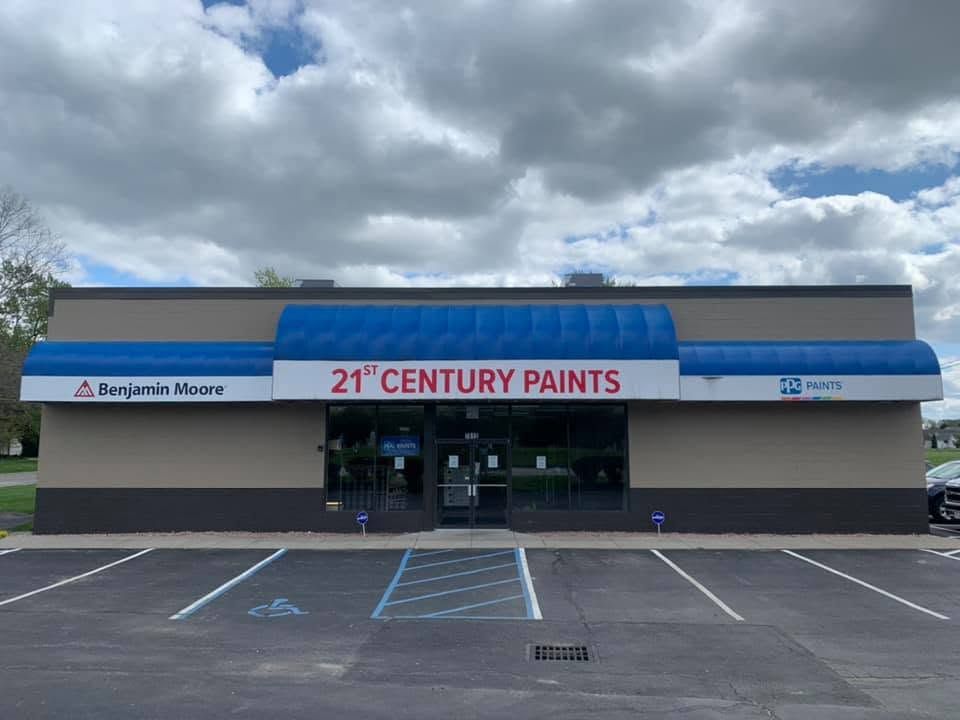
At 21st Century Paints Inc, we help customers explore flooring products and solutions suited to their individual needs. Our team can discuss available options and help you understand important considerations when upgrading existing concrete surfaces. Contact us today to learn more about our flooring products and discover how we can support your next improvement project.