October 31, 2026
Choosing an interior paint finish for a busy room involves more than finding an appealing color. Hallways collect fingerprints, family rooms experience furniture contact, and kitchens face splashes and frequent cleaning. The finish affects how light reflects from walls, how easily marks can be removed, and whether everyday wear becomes noticeable.
Homeowners and property managers considering Pittsburgh paint should evaluate sheen alongside the coating’s specific performance characteristics. A finish that looks beautiful in a quiet guest room may not be practical for a crowded corridor.
According to Statifacts.com, the U.S. paints and coatings market surpassed USD 26.86 billion in 2024, reflecting substantial demand across various applications. Understanding the differences between available finishes helps narrow the options without assuming that shinier always means stronger.
Comparing the Performance of Interior Paint Finishes
Paint sheen describes how much light a dried coating reflects. Flat finishes scatter light and minimize shine, while glossier finishes produce more visible reflections. This affects both the atmosphere of a room and the visibility of surface flaws.
Sheen also relates to cleaning expectations, but it is not a complete measure of durability. Different formulations within the same category can vary substantially in stain resistance, washability, and scrub resistance.
When comparing Pittsburgh paint options, reviewing product-specific characteristics is more useful than choosing solely by finish name. Room conditions, surface quality, and expected cleaning frequency should guide the decision.
Comparing the Performance of Flat Paint Finishes
Flat finishes create a soft, nonreflective appearance that can make walls feel calm and visually consistent. They are particularly effective at disguising minor repairs, uneven drywall, and texture differences. This makes them appealing in formal living areas, adult bedrooms, and ceilings where frequent contact is unlikely.
Traditional flat paints can be less forgiving when walls need repeated cleaning. Fingerprints may be difficult to remove, and rubbing a marked area can change its appearance.
Some newer flat and matte coatings offer improved washability; however, low sheen does not automatically mean poor performance. A washable flat product may be appropriate where a muted look is essential, and traffic is manageable.
In corridors or play spaces with frequent bumps and marks, the limitations of conventional flat coatings deserve closer attention. The best choice depends on the product formulation and whether appearance or frequent cleaning takes priority.
Comparing the Performance of Eggshell Paint Finishes
Eggshell finishes have a gentle sheen that provides slightly more reflection than flat paint. Their restrained appearance works with many decorating styles, from traditional rooms with detailed trim to contemporary spaces with simple furnishings.
Many eggshell coatings are easier to clean than conventional flat finishes, making them suitable for dining rooms, living rooms, and moderately busy bedrooms. Occasional fingerprints and light marks may be easier to address, although results vary by product and stain type.
For households considering Pittsburgh paint, eggshell can be an appealing compromise between visual softness and everyday practicality.
Eggshell is not automatically the strongest choice for a crowded entryway or children’s activity room. If walls need frequent scrubbing, a more durable formulation or different sheen may better match the maintenance demands.
Comparing the Performance of Satin Paint Finishes
Satin is often a leading choice for high-traffic walls because it combines noticeable but restrained sheen with generally useful cleaning characteristics. It can reflect enough light to make a room feel lively while remaining less glossy than semigloss.
Many satin coatings are formulated to withstand routine cleaning and resist everyday marks. This can be helpful in spaces where people brush against walls or move chairs and bags through narrow passages.
Still, not every satin product performs identically. Stain resistance, scrub ratings, and manufacturer guidance remain important when selecting Pittsburgh paint for a demanding room.
The main visual tradeoff is that satin can reveal wall imperfections more clearly than eggshell or flat finishes. In rooms with strong lighting, patched areas and uneven textures may become more apparent. Balancing these concerns against maintenance needs helps determine whether satin is appropriate.
Comparing the Performance of Semigloss Paint Finishes
Semigloss paint reflects substantially more light than satin and creates a distinct polished appearance. It is commonly used on doors, baseboards, window trim, and other frequently touched architectural details.
Many semigloss coatings tolerate repeated wiping well, and suitable formulations can perform effectively in kitchens, bathrooms, and busy entryways.
Property owners exploring Pittsburgh paint may find semigloss especially useful for trim that needs to withstand regular contact while contrasting attractively with softer wall finishes.
However, covering every wall with semigloss can create unwanted glare and highlight surface flaws. Its stronger reflection makes dents, repairs, and uneven drywall more visible.
In most living spaces, reserving semigloss for selected surfaces offers a practical balance between durability and appearance.
Comparing the Performance of High-Gloss Paint Finishes
High-gloss finishes produce strong reflections and can give decorative details a striking, polished appearance. Cabinets, accent doors, and selected trim can benefit from this effect, particularly when surrounding walls have a softer finish.
Glossy coatings may offer excellent cleaning characteristics, depending on their formulation. Yet strong shine does not guarantee greater resistance to scratches or impacts.
High-gloss surfaces can make minor flaws especially noticeable, including dents and uneven repairs. Lighting can intensify these effects, particularly when sunlight strikes a surface directly.
For high-traffic rooms, high-gloss is generally more effective as a targeted design choice than a default wall finish. Its suitability depends on surface condition, desired appearance, and product performance.
Comparing the Performance of Room-Specific Paint Finishes
A hallway and kitchen may both receive heavy use, but they face different challenges. Hallways experience contact from shoulders, bags, and furniture, while kitchens encounter cooking residue and moisture.
Children’s rooms can accumulate fingerprints and marks from toys, whereas shared commercial corridors may require frequent scheduled cleaning.
Satin is often worth considering for busy walls because it balances visual appeal with practical maintenance. Eggshell may be sufficient in spaces with moderate traffic and less intensive cleaning. Semigloss can serve doors and trim, while moisture-prone rooms require coatings specifically rated for their conditions.
Choosing Pittsburgh paint should involve matching the formulation to each space rather than applying the same finish everywhere.
Light and wall texture also matter. A sunny room can make reflective finishes appear shinier, while textured walls may look more uneven under glossier paint.
Comparing the Performance of Durable Paint Formulations
Washability describes how readily dirt and stains can be removed. Scrub resistance describes how well a coating withstands repeated cleaning without visible damage. Scuff resistance addresses marks caused by objects rubbing against the surface.
Although these qualities overlap, they are not interchangeable. A product can have a satin sheen yet perform differently from another satin coating because its ingredients and intended applications differ.
Manufacturer information can help distinguish general-purpose interior paint from coatings designed for demanding residential or commercial settings.
Reviewing these characteristics is especially useful when comparing Pittsburgh paint products for frequently occupied spaces.
Long-term appearance also depends on the type of wear a room receives. Repeated contact in a corridor differs from food splashes near a dining area. Selecting for the most likely sources of wear can reduce maintenance concerns.
Comparing the Performance of Professional Paint Recommendations
Choosing a finish involves balancing visual preferences with realistic expectations for cleaning and wear. Professional product guidance can clarify which coatings are appropriate for specific surfaces, lighting conditions, moisture levels, and traffic patterns.
Product specialists can also help distinguish manufacturer performance claims from general assumptions about sheen. This information is particularly valuable when selecting coatings for properties with different room functions and maintenance requirements.
For most busy interior walls, satin is a practical starting point, but eggshell or specialty matte coatings may be suitable when a softer appearance is preferred.
Semigloss often works well for trim and doors. Ultimately, selecting Pittsburgh Paint based on the intended application and product characteristics can help preserve the appearance of frequently used spaces.
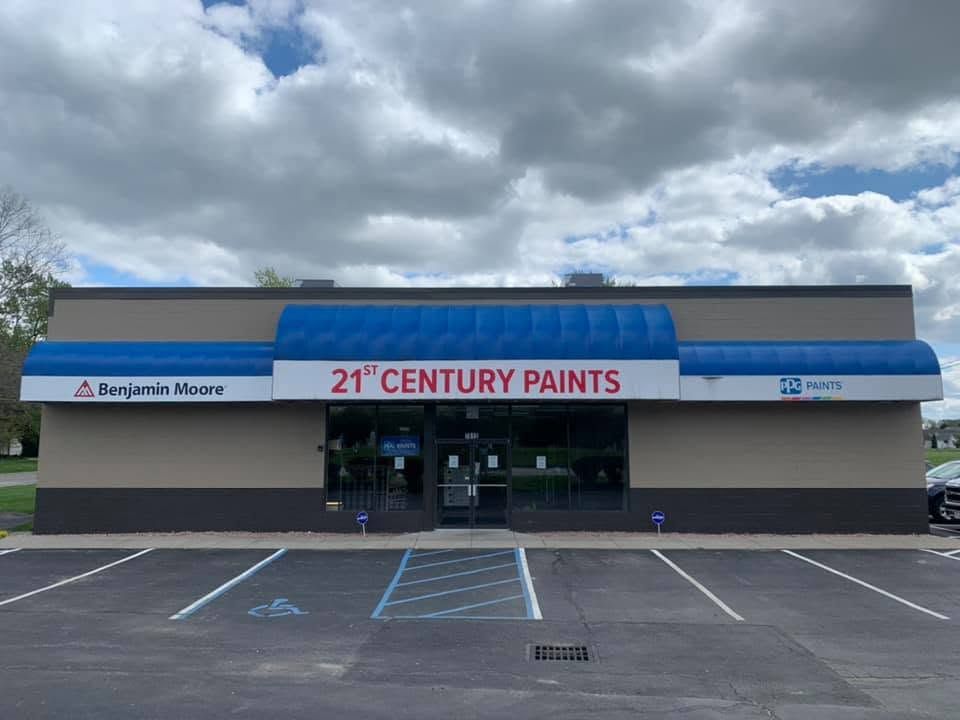
At 21st Century Paints Inc, we help customers compare interior coatings for homes and commercial properties. Our team can explain finish options, discuss product characteristics, and help identify selections that align with expected traffic and cleaning needs.
Whether you’re updating a family room, maintaining a commercial property, or selecting finishes for frequently used surfaces, we can help you explore suitable options. Contact us to learn more about our paint offerings and find a finish that supports both the appearance and everyday function of your space.